A Local’s Guide to Caribbean Food Denver Favorites
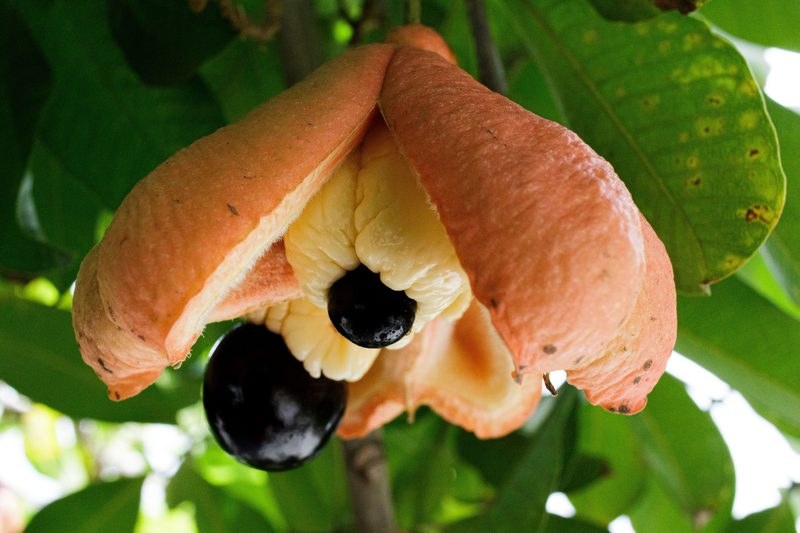
Denver is not the first city people name when they talk about Caribbean cooking, and that is exactly why the good spots feel earned. You do not stumble into them by accident very often. You hear about them from a friend who swears by the oxtail on Sundays, from a coworker who grew up in a Jamaican household, or from the person behind you in line at a market who notices you eyeing the patties and says, quietly, “Get two.”
That is part of the pleasure of searching out great caribbean food denver has to offer. The scene is not massive, but it is lively, personal, and full of cooks who care deeply about flavor, memory, and technique. Meals often arrive with the kind of confidence that comes from repetition. Rice cooked the same way for years. Marinades built by instinct. Plantains pulled from the fryer at the exact right second, when the edges caramelize and the center stays soft.
If you are new to Caribbean food in Denver, the city can be slightly confusing at first. “Caribbean” covers a wide stretch of culinary traditions, and in Denver you are most likely to encounter strong Jamaican influence, along with dishes and ingredients shaped by Trinidadian, Haitian, Cuban, Puerto Rican, and broader island cooking. Menus overlap in places, but they are not interchangeable. Jerk seasoning is not the whole story. Neither is curry. The best way to approach the scene is to pay attention to detail, ask questions, and order like someone who wants to understand the kitchen rather than conquer the menu in one visit.
What makes a Denver Caribbean restaurant worth returning to
The first thing I look for is balance. Caribbean cooking often asks several flavors to share the plate at once: heat, sweetness, smoke, acid, thyme, allspice, scallion, coconut, pepper, and slow-cooked richness. At a good restaurant, none of that turns muddy. A jerk chicken plate should taste layered, not simply spicy. Curry goat should feel deep and rounded, not heavy for the sake of heaviness. Rice and peas should support the meat, not disappear under it.
The second marker is patience. Some dishes tell you immediately whether the kitchen is rushing. Oxtail needs time for collagen to melt and the sauce to tighten without turning gluey. Stewed chicken should taste as if the seasoning reached the bone. Fried plantains need enough ripeness to caramelize, but not so much that they slump into sugar. Even something as simple as cabbage on the side can reveal the character of the kitchen. Done carelessly, it is filler. Done well, it brings crunch, sweetness, and relief between richer bites.
Portion size matters less than people think, although Caribbean restaurants in Denver often serve generously. What matters more is whether the plate feels complete. The best ones do. You get not just protein, but contrast. Heat against starch, soft against crisp, gravy against rice, pickled or sautéed vegetables cutting the fat. A good plate leaves you full. A great one leaves you already planning what to try next.
The neighborhoods where you tend to find the good stuff
Denver’s Caribbean food is not concentrated in a single corridor the way some food cities organize themselves. You have to move around a little. East Denver, parts of Aurora, and a few suburban pockets often turn up the most promising options, especially where immigrant-owned small businesses cluster near international markets, bakeries, and low-key strip malls. Those are usually good signs.
This is one cuisine where I tell people not to judge too quickly by the room. Some of the best meals come from places with modest interiors, handwritten specials, and music floating from the kitchen. Service may run warm and conversational, or brisk and practical, depending on the hour. Either way, the food usually tells you what you need to know.
If you are coming from downtown, plan the trip instead of hoping to tack it onto another errand. That sounds obvious, but Denver’s sprawl changes the experience. Caribbean meals reward appetite and time. You want to arrive hungry, not halfway full from coffee and pastries. You want enough margin to wait if a dish is made to order or a lunch rush slows things down. When a restaurant is doing serious business with regulars, that is usually a better sign than slick branding.
How to read the menu without guessing
One reason people miss out on the best of caribbean food denver offers is that they order too cautiously. They default to whatever sounds familiar, then decide the whole cuisine is fine but not memorable. Usually the issue is not the restaurant. It is the order.
If you see jerk chicken, curry goat, oxtail, brown stew chicken, escovitch fish, rice and peas, fried plantains, and patties, you are looking at a menu with a solid backbone. Start there. Those dishes reveal technique in different ways.
Jerk is often misunderstood in Denver. People expect a sweet barbecue profile or a blunt wall of chile heat. Proper jerk carries smoke, allspice, thyme, scallion, garlic, ginger, and the distinct fruity force of Scotch bonnet or similar peppers. Sometimes the Denver version is adapted slightly for local expectations, less incendiary, a touch sweeter, or grilled rather than pimento-smoked. That is not automatically a flaw. The question is whether the seasoning still has depth and edge.
Curry goat should taste earthy and aromatic, never flat. Goat can turn chewy if mishandled, so tenderness matters, but so does flavor concentration. If the sauce has body and clings to the rice, that is a good sign. If it puddles thinly with no personality, you are looking at a compromised version.
Oxtail is often the benchmark dish. It is usually expensive because the cut itself is no longer cheap, and the labor is real. When done right, it earns the price. You want glossy sauce, deeply savory meat, and enough richness to feel indulgent without crossing into greasy. In Denver, where some kitchens have to manage fluctuating ingredient costs, oxtail portions can vary. That is normal. I care more about whether the cooking honors the dish than whether the container is overflowing.
If it is your first visit, order with purpose
- Choose one signature meat plate, usually jerk chicken, curry goat, or oxtail.
- Add rice and peas if it is not already included. It is part of the meal, not background filler.
- Get plantains, especially if you are sharing. They help the whole table understand the meal.
- If patties are available, order at least one as a side or take-home snack.
- Ask which dishes regulars come back for, then listen to the answer.
That last point matters more than people think. At strong family-run restaurants, the person taking your order usually knows exactly which item built the place’s reputation.
The sides are not side characters
One of the easiest mistakes in writing about Caribbean food is focusing only on the meats. In practice, the supporting cast shapes the entire meal.
Rice and peas is the obvious example. Despite the name, the “peas” are often kidney beans or similar beans, and the rice may carry coconut, thyme, scallion, or subtle stock-based savoriness depending on the house style. Good rice and peas should be distinct and fragrant, not wet and anonymous. When it is done right, it absorbs gravy beautifully without collapsing.
Plantains offer a different sort of pleasure. Denver’s best versions lean ripe and caramelized, with a dark amber edge and a creamy center. They are sweet, yes, but they are also strategic. They cool spice, soften aggressive seasoning, and give the meal a rhythm. A forkful of rice, a bite of jerk, then a piece of plantain, that sequence makes sense on the plate.
Cabbage is another quiet indicator. Many Caribbean restaurants serve sautéed cabbage as a side, and people often overlook it. They should not. Properly cooked cabbage brings freshness and structure, especially next to rich braises. If the kitchen takes cabbage seriously, chances are the rest of the plate got similar care.
Then there are patties. A flaky crust filled with spiced beef, chicken, or vegetables can be lunch, a snack, or the thing you save for later and end up eating in the car because the smell wins. Good patties should shatter lightly when bitten, not slump like a soft turnover. In Denver, a fresh patty from a warm case or straight from the oven is one of the easiest ways to tell whether a shop understands comfort food.
Jerk in Denver, what locals know
People who grew up around serious jerk are often skeptical of what they will find inland, and not without reason. Traditional jerk depends on more than a spice mix. It relies on marinade, smoke, and heat management. In Colorado, not every restaurant has the setup for old-school outdoor cooking, and local regulations, weather, and real estate constraints all affect what is possible.
Still, Denver has cooks who know how to coax strong results from grills, ovens, and adapted methods. The key is to judge the whole effect rather than a romantic ideal. Does the chicken carry smoke? Is the seasoning embedded rather than dusted on? Does the skin or exterior have color and character? Is there enough heat to wake up the palate without flattening everything else? If the answer is yes, you are probably in good hands.
I have had local jerk plates that looked simple at first glance, just chicken, rice, cabbage, plantains, but unfolded in waves. Sweet char on the first bite, thyme and scallion in the second, pepper bloom arriving late, then the rice grounding the whole thing. That kind of progression is not accidental. It comes from a cook who understands restraint as well as intensity.
Why the lunch plate can tell you as much as the weekend special
There is a natural temptation to chase the biggest, richest dishes first. Oxtail. Goat. A whole fried fish if the menu offers one. Those are worth chasing, but lunch plates reveal consistency.
A weekday brown stew chicken says a lot about a kitchen because it is built on basics. Browning, seasoning, simmering, reducing, balancing salt and sweetness, holding texture, serving rice that has not dried out in the pan. When all of that works at lunch, the restaurant likely has discipline. If the kitchen can turn out a soulful plate on an ordinary Tuesday, you can trust it with the showpieces too.
The same logic applies to soups, if they are available. Caribbean soups and stews often rely on patience and instinct more than spectacle. They are where households show their habits. In Denver’s climate, these dishes can feel especially right in colder months. A city known for snow and dry air may seem far from island cooking, but that contrast is part of the appeal. Rich broth, root vegetables, dumplings, slow-simmered meat, those flavors land differently when the temperature drops.
Heat, sweetness, and the Denver palate
One local reality worth understanding is that some Caribbean restaurants in Denver temper certain flavors for a broader customer base. That does not always mean the food is compromised. Sometimes it simply means the house sauce is offered on the side, or the hottest pepper profile is reserved for people who ask.
If you like heat, say so clearly and politely. Ask whether the kitchen has pepper sauce, Scotch bonnet sauce, or a hotter version of the jerk. You may get something far more vivid than what lands on standard plates. On the other hand, if you are sensitive to spice, do not assume every dish will overwhelm you. Brown stews, patties, and many side dishes can be deeply flavorful without punishing heat.
Sweetness is another variable. Plantains, some sauces, and certain drinks naturally lean sweet. A balanced meal accounts for that. If you are ordering a sweeter protein or beverage, pair it with a savory side. If you are going hard on rich braises, add cabbage or a bright condiment to cut through. The best Caribbean meals feel calibrated, not random.
Drinks and desserts are where some places quietly shine
A lot of first-time customers skip the beverage fridge or dessert tray and head straight to the main event. Fair enough, but they miss part of the experience. Caribbean drinks often carry as much personality as the entrees. Depending on the restaurant, you might find ginger beer, sorrel, fruit-based juices, or creamy island-style beverages that bridge dessert and refreshment.
Ginger beer is one of my favorite markers because weak versions are instantly forgettable. A strong one should bite back a little, with real ginger warmth rather than generic sweetness. Sorrel, when available, brings a tart spiced brightness that works beautifully against richer food. These are not afterthoughts. They help shape the meal.
Desserts vary more widely from place to place, and not every restaurant prioritizes them. When they do, pay attention. Rum cake, sweet breads, puddings, and coconut-forward pastries can be excellent, especially if made in-house or sourced from a nearby bakery with island roots. You do not need dessert every time, but if a staff member lights up when mentioning one, that is usually your cue.
A few practical habits that make the experience better
- Go a little earlier than peak dinner if you want the broadest menu availability.
- Expect popular items, especially oxtail or patties, to sell out at some places.
- Order extra sauce only after tasting, since some gravies are already well balanced.
- If you are taking food home, separate crisp items from sauced items when possible.
- Tip with appreciation when a small staff is clearly handling both front and back of house.
That last point is not moral theater. It is simple recognition. Many of Denver’s best Caribbean spots are small operations doing skilled labor without much fuss.
The role of community in Denver’s Caribbean food scene
What I enjoy most about these restaurants is that they rarely feel designed for novelty. They are not trying to teach a food trend or perform “island vibes” for social media. At their best, they serve communities first. Office workers on lunch break. Families ordering multiple plates for home. People picking up patties by the dozen. Elders asking after each other. Kids negotiating over who gets the last plantain.
For newcomers, that can be a gift if approached respectfully. Watch what regulars order. Notice whether people are customizing plates or sticking with house standards. Listen to the language around you. You can learn a lot in ten minutes of waiting. The room often tells you what the online reviews cannot.
This community orientation also explains why some places seem to operate on their own clock. Hours may shift. Specials may come and go. A dish may be unavailable because the right ingredient did not come in or because it sold out caribbean food denver honestly. That can frustrate diners used to rigid consistency, but it can also caribbean food denver be a mark of a kitchen that refuses to fake it. I would rather hear “not today” than get a half-hearted version.
How to tell whether you found one of the real favorites
The signs are rarely flashy. The aroma hits before the door fully opens. Someone behind the counter greets regulars by name. The steam table looks active rather than tired. Containers stack up near the register because takeout moves fast. There is a dish that several people seem to be ordering without hesitation. You sit down or take your plate to the car, taste one bite, and immediately understand why the place survives in a competitive city.
A true favorite also holds up across moods. It works when you are hungry at lunch, when you need comforting takeout on a cold night, when you are feeding friends from out of town, or when you want one dish that tastes like somebody cares. That is a high bar, but Denver has places that clear it.
The good news for anyone exploring caribbean food denver style is that the scene rewards curiosity more than expertise. You do not need a complete map. You need appetite, a little flexibility, and enough confidence to ask what is best that day. Start with the classics. Pay attention to the sides. Respect the heat. Come back for the dish you skipped the first time.
Sooner or later, you will have your own favorite. Not the one with the loudest marketing or the prettiest dining room, but the one you recommend carefully, almost protectively. The one where the rice is right, the jerk has depth, the plantains arrive glossy and sweet, and the whole plate feels like a kitchen speaking in a clear voice. That is the kind of favorite worth driving across Denver for.
Reggae Pot Jamaican Grill
2243 S Monaco St Pkwy, Suite 104
Denver, CO 80222
(720) 410-2956
FAQ About caribbean food denver
What is a typical Caribbean meal?
Caribbean cuisines vary by island. A Jamaican meal might pair jerk chicken or oxtail with sides such as rice and peas, cabbage, or fried plantains.
What is Jamaica’s national dish?
Ackee and saltfish is widely recognized as Jamaica’s national dish. Check the current menu for availability.
Is Caribbean jerk the same as Jamaican jerk?
Jerk is a Jamaican cooking tradition associated with seasoning and slow cooking or grilling. The exact heat level and preparation vary by cook.